

4 FAQ About Dogs With Heat Exhaustion
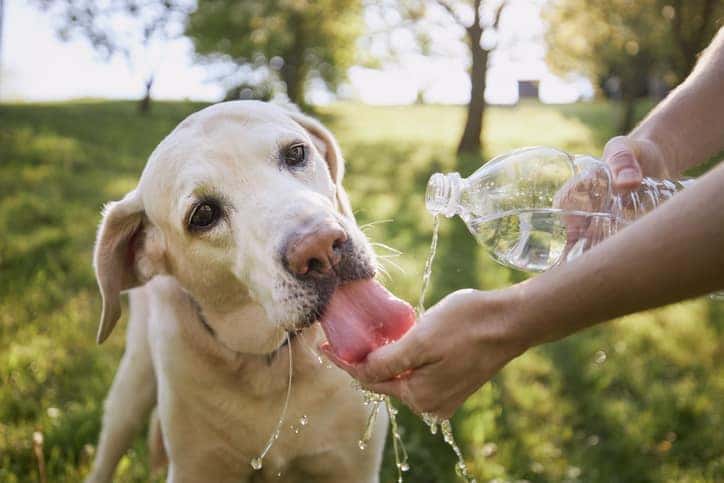
The summer season is soon underway, and it is already heating up. While the heat can affect us humans, it can especially affect our fur babies. The worst thing is that man’s best friend cannot communicate with us when they are getting too hot. This can be dangerous as they could have a heatstroke. If you do not understand about dogs getting heatstrokes, then here are four FAQs that Bissell answers to give you a better understanding.
What Risks Can Cause a Dog to Have a Heatstroke?
A dog can have a heatstroke when his or her body temperature reaches 106°F or higher. Any dog can have a heatstroke, however, certain breeds are more susceptible to getting them. These include short-faced breeds such as Boxers, Bulldogs, and Boston Terriers. Of course, dogs that have a nerve disorder, have anxiety, or are obese can also easily suffer from a heatstroke.
How Can I Tell If My Pup Is Having a Heatstroke?
As noted earlier, a dog cannot openly tell you when they do not feel well. Now, that you are aware of the risks that can cause heatstroke in a dog, it’s important to keep a vigilant eye on your fur baby. However, any dog can have a heatstroke, so pay careful attention this season to see that your dog does not overheat. Signs of overheating include excessive panting, restlessness, and lethargy. Other symptoms of dogs having heatstroke include drooling, clumsiness, diarrhea, and even vomiting.
What Should I Do If My Dog Has a Heatstroke?
If you notice your dog displaying any of the symptoms above, then make sure they can get into a cool and shady spot. A great way to cool off your dog is to wet their feet, face, neck, and under limbs with a wet towel or a hose. Now, if your pet is displaying extreme symptoms like diarrhea and vomiting, you should take your dog to the vet immediately.
You might also like: How To Pump Gas Safely At The Gas Station
Can I Do Anything to Lower My Dog’s Risk of a Heatstroke?
Of course, you want to prevent your dog from getting a heatstroke at all. Your dog has to go on walks, but during the summertime, it is best to take your dog out early in the morning or later at night when it is cool. While walking your dog, try to stay off the hot pavement. Be sure to also give your dog lots of water breaks and allow them to rest in the shade. It is also important to not keep your dog outside too much, so make sure they can rest in the air condition.
Disclaimer: The stock image is being used for illustrative purposes only, and it is not a direct representation of the business, recipe, or activity listed. Any person depicted in the stock image is a model.
0 comment(s) so far on 4 FAQ About Dogs With Heat Exhaustion