

Heat Cycles and Their Effect on Your Vehicle
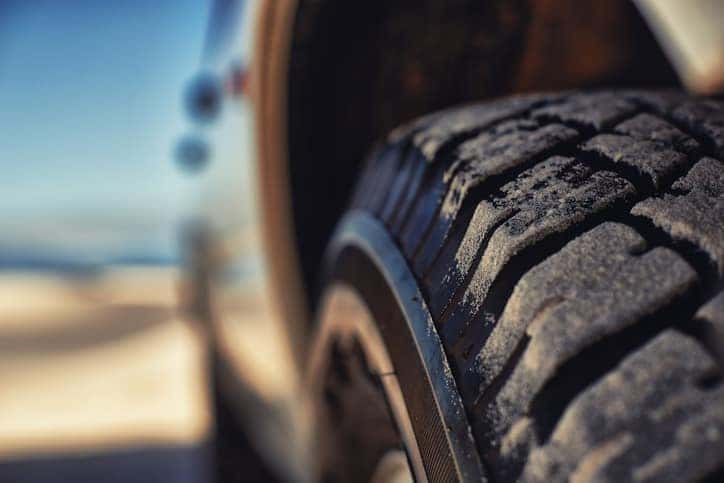
If you drive in Pensacola, your vehicle deals with more than just mileage. It deals with heat. And not just steady heat, but constant temperature changes known as heat cycles.
A heat cycle happens every time your vehicle warms up during a drive and cools down after you park it. In Florida, this happens daily, often multiple times, and at higher temperatures than most regions.
Over time, these repeated cycles can wear down key components like your battery, tires, and fluids. Here is what you need to know.
Why Heat Cycles Matter in Florida
Florida heat is intense, but the real impact comes from the constant shift between hot and cool.
In Pensacola, your vehicle might:
- Sit in the sun for hours
- Heat up quickly during short drives
- Cool down overnight in humid air
This repeated expansion and contraction puts stress on materials and systems throughout your vehicle. It may not show right away, but it builds over time.
Battery Life Takes a Hit
Your battery is one of the first components affected by heat cycles.
High temperatures accelerate chemical reactions inside the battery, leading to faster wear. As the battery heats and cools repeatedly, internal components break down sooner.
This can lead to:
- Shorter battery lifespan
- Corrosion on terminals
- Slower or weaker starts
In Florida, batteries often need replacement sooner than drivers expect. Regular checks at Bob Tyler Toyota can help prevent surprises.
Tire Pressure Changes Daily
Tires deal with both hot air temperatures and heated pavement. As temperatures rise, the air inside the tire expands. When it cools, pressure drops.
This constant change can cause:
- Uneven tread wear
- Fluctuating tire pressure
- Increased risk of cracking over time
Hot roads in Pensacola make this even more noticeable, especially during longer drives or heavy traffic.
Checking tire pressure regularly and rotating your tires helps keep them in good shape.
Fluids Break Down Faster
Your vehicle depends on fluids to keep everything running smoothly. Heat cycles can cause these fluids to lose effectiveness faster than expected.
Here is how different fluids are affected:
- Engine oil can break down and lose its ability to lubricate
- Transmission fluid can thin out under heat
- Coolant can lose efficiency in regulating temperature
- Brake fluid can absorb moisture and affect performance
In Florida conditions, fluids often need more frequent checks and replacements to keep your vehicle running properly.
Signs of Heat-Related Wear
Because heat cycle damage builds slowly, it is important to watch for early signs.
You might notice:
- Slower engine starts
- Changes in tire pressure or handling
- Reduced performance
- Warning lights related to temperature or fluids
Catching these early can help avoid bigger repairs later.
How to Protect Your Vehicle
You cannot avoid Florida heat, but you can reduce how much it impacts your vehicle.
- Park in Shade When Possible: Keeping your vehicle out of direct sunlight helps limit how hot it gets during the day.
- Stay Consistent with Maintenance: Routine service helps catch wear early. Scheduling through the Bob Tyler Toyota service center makes it easy to stay on track.
- Check Tire Pressure Often: Because heat affects tire pressure, regular checks help maintain safety and performance.
- Keep Fluids Fresh: Replacing fluids at the right intervals helps your vehicle handle heat more effectively.
You Might Also Like: Living near the Gulf Coast: How Salt Air Affects Your Vehicle in Pensacola
Stay Ready for Pensacola Driving at Bob Tyler Toyota
Driving in Pensacola means dealing with heat cycles every day. While that can impact your vehicle over time, the right care makes a big difference.
By staying on top of maintenance and paying attention to key components, you can protect your battery, tires, and fluids and keep your vehicle running strong.
When you are ready for expert service designed for Florida conditions, visit Bob Tyler Toyota and keep your vehicle prepared for whatever the road brings.
Disclaimer: The stock image is being used for illustrative purposes only, and it is not a direct representation of the business, recipe, or activity listed. Any person depicted in the stock image is a model.
0 comment(s) so far on Heat Cycles and Their Effect on Your Vehicle