
Braking and Visibility: Driving Tips for Fall Rain and Fog
Late fall in Pensacola brings cooler temps, heavy rain, dense fog, and earlier sunsets – all of which can quickly turn your daily commute into a risky one. From slick roads to reduced visibility, coastal weather conditions make it critical to stay sharp behind the wheel. Here at Bob Tyler Toyota, we’re committed to helping our customers – and community – stay safe when the sunshine and clear skies turn to gray. We’ve broken down five essential tips to help you stay safe when braking, driving through fog, and navigating wet roads in and around Escambia County. Trust the experts who take the same roads you do, because we get it.
1. Increase Your Braking Distance on Wet Roads
Rain and mist can reduce traction, especially during the first 10 minutes of rainfall when oil on the road rises to the surface. Braking hard or suddenly in these conditions increases the risk of hydroplaning or skidding. Instead:
- Leave extra space and increase your following distance to at least four seconds.
- Brake gently and early to signal your intentions and give drivers behind you time to react.
- Avoid cruise control in the rain, as it can delay your ability to respond to sudden stops.
For Pensacola drivers who regularly commute on I-10 or drive through rain-soaked neighborhood roads, maintaining a safe braking distance is the simplest way to avoid accidents.
2. Use Your Low Beams in Fog – Never High Beams
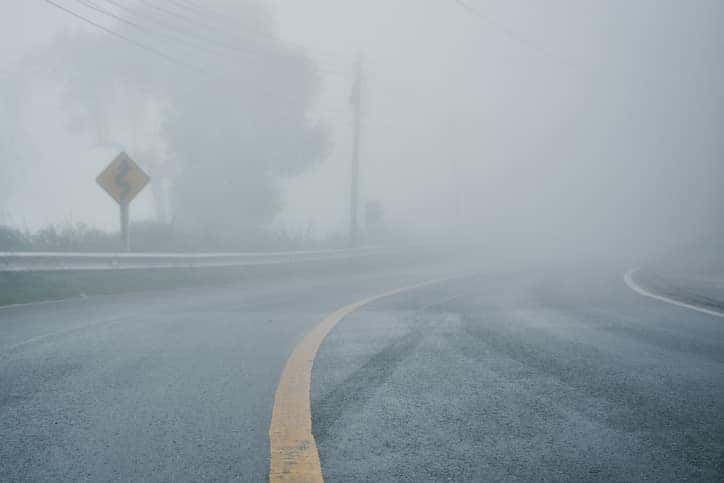
When fog rolls in over the coast or near wooded areas like Bay Bluffs Park or Scenic Highway, visibility can drop instantly. Many drivers mistakenly use high beams, which reflect off the fog and make things worse. Instead:
- Use your low beams or fog lights only.
- Keep the windshield and windows clear using defrosters and wipers.
- Reduce your speed and stay focused on road markings rather than tail lights.
If your vehicle has automatic high beams, manually switch them off when you hit thick fog to avoid glare.
3. Check Wiper Blades and Tire Tread Monthly
Visibility and traction both depend on your equipment. Worn-out wipers can streak, smear, or miss entire sections of your windshield during a downpour. Bald tires increase stopping distance and risk hydroplaning.
Here’s how to stay ahead:
- Inspect your wiper blades monthly for cracks or stiffness. Typically, they should be replaced every six to 12 months.
- Use the penny test: Place a penny upside down in your tire tread. If you see Lincoln’s head, it’s time for new tires.
- Top off your washer fluid and carry a backup bottle in your trunk.
Swing by Bob Tyler Toyota’s service center for a quick inspection – we’ll make sure your Toyota Camry, RAV4, or Tundra is ready for the season.
4. Slow Down as Daylight Shrinks
After the end of daylight-saving time, your evening commute likely takes place in partial or complete darkness. Add fog or rain into the mix, and reaction time becomes even more critical. It’s important to turn on headlights at dusk, even if your automatic lights haven’t kicked in. Watch for pedestrians and cyclists, especially in residential neighborhoods. To maintain safety, drive 5–10 mph below the posted limit in poor visibility.
Visibility-focused driving isn’t just about headlights. It’s about reducing your speed to match road conditions, especially with fall tourists and holiday traffic increasing local volume.
5. Keep Your Windows Fog-Free Inside and Out
Cooler temps and rainy days mean interior windows can fog up fast, limiting your visibility from inside. Don’t wipe them with your hand or sleeve – this only spreads the moisture and oil.
Instead:
- Use your front and rear defrosters early and often.
- Set your A/C to pull in outside air, not recirculate, to prevent humidity buildup.
- Keep a clean microfiber cloth in your glove box for emergency use.
If your windows fog up every morning, a simple cabin air filter replacement may be in order.
You might also like: Car Maintenance Myths Debunked
Drive Smarter this Fall with Help from Bob Tyler Toyota
Florida’s Gulf Coast doesn’t get snow and ice, but Pensacola’s late fall driving conditions are still a challenge. From heavy rain and dense fog to shorter daylight hours, safety behind the wheel starts with visibility and braking awareness. These tips don’t just protect your Toyota – they help protect everyone on the road.
Whether you’re heading to Pensacola Beach, taking a weekend trip up Hwy 29, or just running errands in Ferry Pass, now’s the time to prep your car for late-season driving.
Visit Bob Tyler Toyota in Pensacola, FL, today for a free brake inspection, wiper check, or battery test.
Disclaimer: The stock image is being used for illustrative purposes only, and it is not a direct representation of the business, recipe, or activity listed. Any person depicted in the stock image is a model.
0 comment(s) so far on Braking and Visibility: Driving Tips for Fall Rain and Fog